Ledger Hardware Wallet Security: Anti-Phishing and Transaction Verification Guide
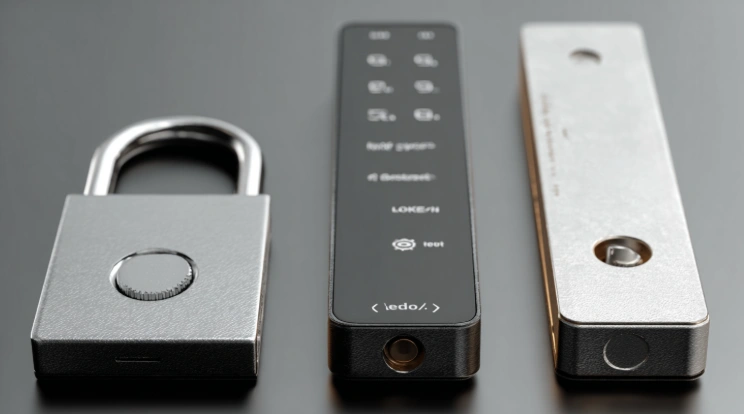
Ledger Hardware Wallet Security against phishing protection Ledger addresses the most prevalent attack vector targeting cryptocurrency users through sophisticated deception techniques. The secure crypto transactions approach verifies every operation through trusted hardware display preventing transaction manipulation. Understanding and implementing anti-phishing practices protects private keys regardless of computer or network compromise.
Phishing attacks evolved significantly, employing convincing fake websites, impersonated support channels, and malicious software distributions. Hardware wallet architecture provides inherent protection through physical transaction verification, but user awareness remains essential for recognizing attack attempts before engagement. This combination of technical and behavioral protection maximizes crypto security.
This guide covers fake website recognition, device verification, Ledger Live security, transaction safety, and emergency measures for complete cold storage protection across all supported coins via USB-C or Bluetooth connection.
Recognize Fake Websites
Recognize Fake Websites to prevent credential theft and malicious software installation threatening Ledger hardware wallet security. The verify URL process confirms legitimate website access while SSL certificate check provides additional authenticity indicators. Website verification skills protect against increasingly sophisticated phishing attempts.
Fake websites closely replicate legitimate Ledger resources making visual identification insufficient. Technical verification methods provide reliable authentication for phishing protection Ledger needs.
Verify URL
| Check | Legitimate | Fraudulent Examples |
|---|---|---|
| Domain | ledger.com | ledger-live.com, ledgr.com |
| Protocol | https:// | http:// (no security) |
| Spelling | Exact match | Character substitution |
| TLD | .com | .co, .io variations |
| Subdomains | Official only | Random prefixes |
Verify URL confirms access to authentic Ledger resources for Ledger hardware wallet security. Domain verification prevents credential submission to fake sites protecting secure crypto transactions.
SSL Certificate Check
- Click padlock icon in browser address bar
- View certificate details option
- Confirm issuer is reputable CA
- Verify subject matches ledger.com
- Check expiration date is valid
- Note extended validation if present
- Report invalid certificates immediately
SSL certificate check provides additional phishing protection Ledger verification beyond URL inspection. Valid certificates indicate encrypted connection to verified entity for private keys protection unlike Trezor or KeepKey certificate verification.
Ledger Device Verification
Ledger Device Verification ensures Ledger hardware wallet security through hardware-based transaction confirmation. The transaction display confirmation shows actual operation details while multi-step approval requires deliberate physical authorization. Device verification defeats software-layer attacks through trusted hardware.
Every sensitive operation requires device verification regardless of initiating software. This hardware requirement cannot be bypassed by malware for cold wallet protection.
Transaction Display Confirmation
Verification workflow:
- Review recipient address on device screen
- Compare full address to intended destination
- Verify amount matches expectation
- Check network/blockchain identification
- Review transaction fee amount
- Confirm all details are correct
- Press both buttons only if verified
- Never approve unclear transactions
- Cancel if anything seems wrong
- Contact support if suspicious
Transaction display confirmation provides secure crypto transactions through trusted hardware output. Malware cannot modify device display protecting Ledger hardware wallet security via USB-C across all supported coins.
Multi-Step Approval
| Step | Verification | User Action |
|---|---|---|
| Address display | Recipient shown | Compare to intended |
| Amount display | Value shown | Verify correctness |
| Fee display | Cost shown | Confirm acceptable |
| Final confirmation | Summary | Both buttons press |
| Broadcast | Signed transaction | Network submission |
Multi-step approval ensures deliberate verification of each transaction element for phishing protection Ledger. Rushing defeats purpose of secure crypto transactions verification for crypto security.
Ledger Live Security Practices
Ledger Live Security Practices maintain software integrity supporting Ledger hardware wallet security ecosystem. The app update verification confirms authentic updates while official download sources prevent malicious software installation. Software practices complement hardware protection for private keys safety.
Software security requires ongoing attention through regular updates and source verification. Compromised software could display false transaction information despite hardware protections for cold storage operations.
App Update Verification
- Enable update notifications in settings
- Review update notes before installation
- Verify update source is official
- Check digital signature on installer
- Perform genuine check after update
- Test device functionality post-update
- Report any issues to official support
Official Download Sources
| Source | Legitimacy | Warning Signs |
|---|---|---|
| ledger.com | Official | None |
| App Store (iOS) | Official | Publisher: Ledger |
| Google Play | Official | Developer: Ledger |
| Social media links | Never use | Potential malware |
| Email attachments | Never use | Potential malware |
| Third-party sites | Never use | Potential malware |
Official download sources prevent malicious software threatening secure crypto transactions. Only verified distribution channels provide authentic Ledger Live for private keys protection unlike Trezor or KeepKey download sources.
Multi-Asset Transaction Safety
Multi-Asset Transaction Safety ensures Ledger hardware wallet security across diverse cryptocurrency holdings requiring different verification approaches. The small test transactions method validates addresses before large transfers while confirm recipient addresses prevents costly misdirection. Multi-asset safety addresses blockchain-specific verification needs.
Each cryptocurrency has unique address formats and network requirements. Cross-chain transfers particularly require careful verification for cold wallet operations across all supported coins.
Small Test Transactions
- Send minimal amount first to new addresses
- Verify arrival before larger transfers
- Confirm receiving wallet shows balance
- Check transaction on blockchain explorer
- Wait for confirmation before proceeding
- Test cost is worthwhile for security
- Applies to all new recipient addresses
Confirm Recipient Addresses
Address verification steps:
- Obtain address from trusted source
- Copy address without manual typing
- Verify address on hardware wallet display
- Compare against original source
- Check beginning, middle, and end characters
- Verify on Ledger device screen specifically
- Never trust computer screen alone
- Send test transaction first
- Confirm receipt before larger transfers
- Use address book for recurring recipients
Confirm recipient addresses prevents address substitution attacks on Ledger hardware wallet security. Hardware verification defeats clipboard malware for private keys via USB-C or Bluetooth.
Emergency Security Measures
Emergency Security Measures provide response procedures when Ledger hardware wallet security may be compromised. The device reset if compromised protocol addresses suspected device tampering while recovery phrase relocation protects backup after exposure concerns. Emergency procedures limit damage from security incidents.
Prepared emergency responses minimize damage during stressful situations. Planning enables calm, effective action when security concerns arise for cold storage protection.
Device Reset If Compromised
| Indication | Action | Priority |
|---|---|---|
| Unknown transactions | Transfer funds, reset | Immediate |
| Failed genuine check | Do not use device | Critical |
| Physical tampering signs | Contact support | High |
| Malware exposure | Reset after backup | High |
| Lost then recovered | Reset, new phrase | High |
Device reset if compromised restores security baseline after potential exposure. Full reset with new phrase recommended when compromise suspected for phishing protection Ledger.
Recovery Phrase Relocation
Recovery phrase relocation circumstances:
- Phrase potentially observed by others
- Storage location compromised
- Moving or changing residence
- Security concern about current storage
- Updating to more secure backup method
- Inheritance planning changes
- Relationship status changes affecting access
Recovery phrase relocation protects Ledger hardware wallet security after backup exposure concerns. New phrase with fund transfer provides maximum security after potential compromise for secure crypto transactions unlike Trezor or KeepKey relocation procedures.
For threat models, see our Ledger Wallet Threat Models & Protection guide. For advanced features, visit Ledger Hardware Wallet Advanced Security.
Frequently Asked Questions
-
Requests for recovery phrase, fake websites with similar URLs, unsolicited support contact, urgent messages requiring immediate action, and requests for remote access.
-
Malware can manipulate computer display showing different address than actually being signed. Device screen cannot be remotely modified by attackers.
-
Transfer all funds immediately to new wallet with new phrase. Original wallet is compromised regardless of how legitimate site appeared.
-
Test confirms address is correct before sending larger amounts. Address substitution attacks are discovered with minimal loss.
-
Support can provide guidance but cannot recover stolen funds. Blockchain transactions are irreversible. Prevention is only protection.
-
If software never received recovery phrase, device remains secure. Reset recommended if any doubt exists about what information was exposed.
-
Download only from ledger.com. Verify digital signature on installer. Perform genuine check after installation confirms authentic software.